

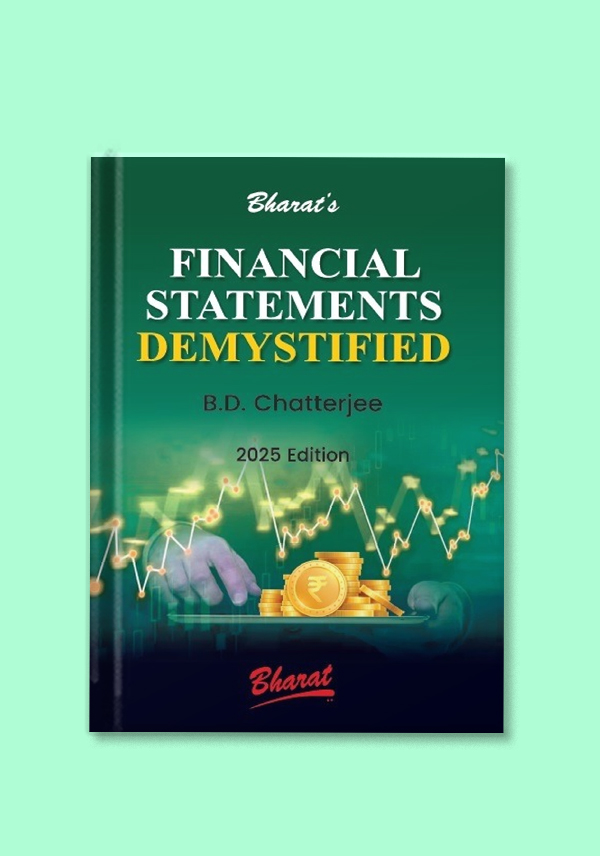
PART IFINANCIAL STATEMENTS – HIERARCHY AND DRILL DOWNChapter 1 Financial Statements – IntroductionChapter 2 Non-Current and Current ClassificationChapter 3 Shareholders’ FundsChapter 4 Non-Current LiabilitiesChapter 5 Current LiabilitiesChapter 6 Non-Current AssetsChapter 7 Current AssetsChapter 8 Statement of Profit and Loss and other Comprehensive IncomeChapter 9 Statement of Cash FlowsChapter 10 Other Notes to Financial StatementsChapter 11 Consolidated Financial StatementsPART IIGOVERNANCE AND AUDITChapter 12 Governance and Audit of Financial StatementsPART IIIAPPLICATION OF FINANCIAL STATEMENTS IFINANCIAL HEALTH OF AN ORGANIZATIONChapter 13 Management Accounting and BudgetingChapter 14 Optimizing ProfitabilityChapter 15 Managing Working CapitalChapter 16 Minimising Solvency RiskChapter 17 Managing the Capital StructureChapter 18 Optimizing Total Shareholder Return (TSR)Chapter 19 Going Concern Assessment and Distress AnalysisPART IVAPPLICATION OF FINANCIAL STATEMENTS – OTHERSChapter 20 Crafting Business StrategyChapter 21 Sourcing of Funds from Banks and Financial InstitutionsChapter 22 Balanced Scorecard and Lean Six SigmaChapter 23 Corporate Restructuring and M & AChapter 24 Securities and Portfolio AnalysisChapter 25 Decision Support for Investors and Financial AnalystsChapter 26 Triple Bottom Line Analysis and ESGChapter 27 Enterprise Risk ManagementChapter 28 Digital Transformation and Artificial Intelligence (AI)Chapter 29 Credit Rating of Organizations
Related Products
Blog Detail
Sort by
Show